 National Gallery of Modern Art Unveils Its First-Ever Printmaking Studio with ‘Chhapankan’ — A Landmark Initiative in Indian Art Practice
2nd April, 2026
New Delhi, India ( TGN )
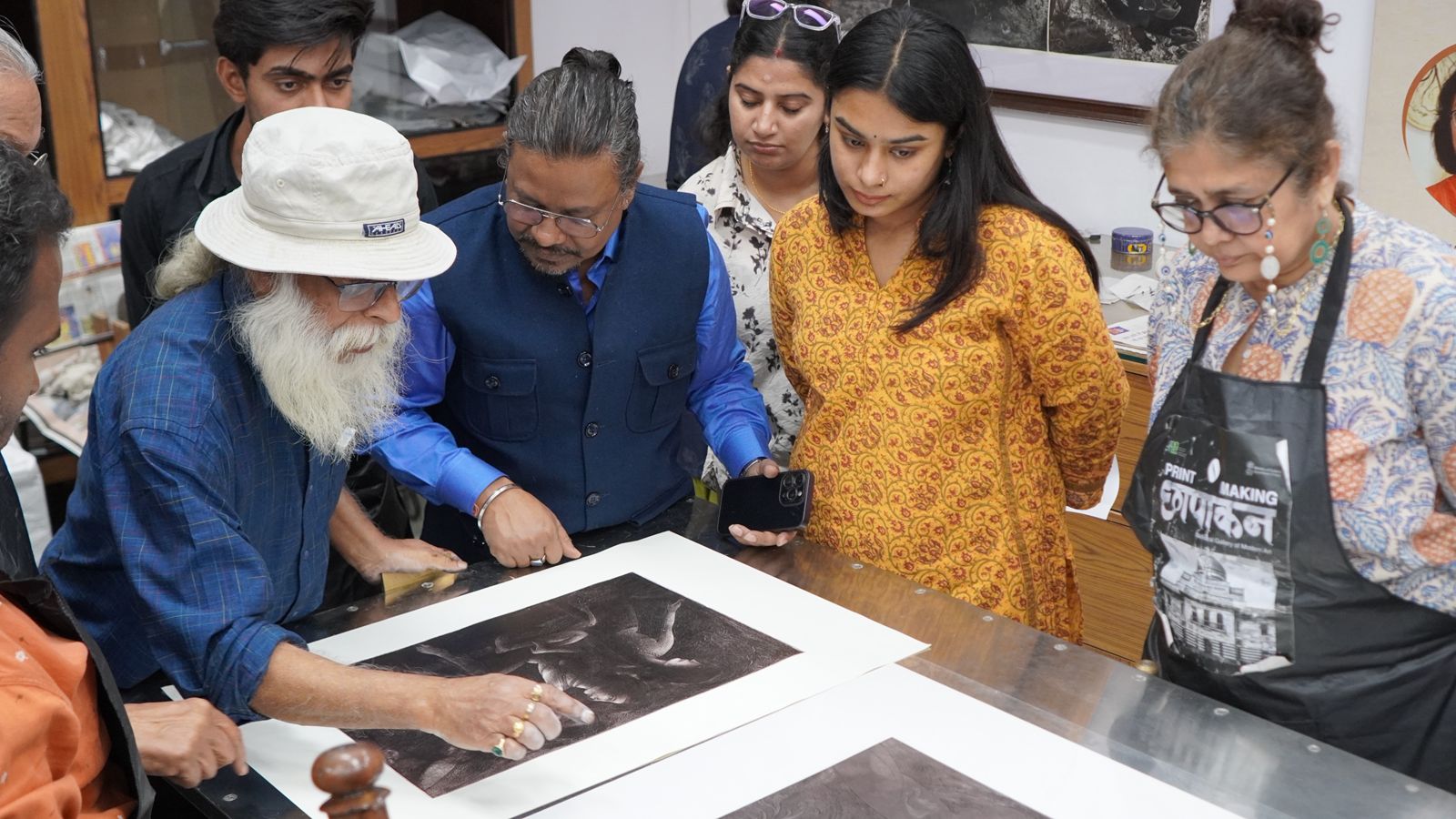
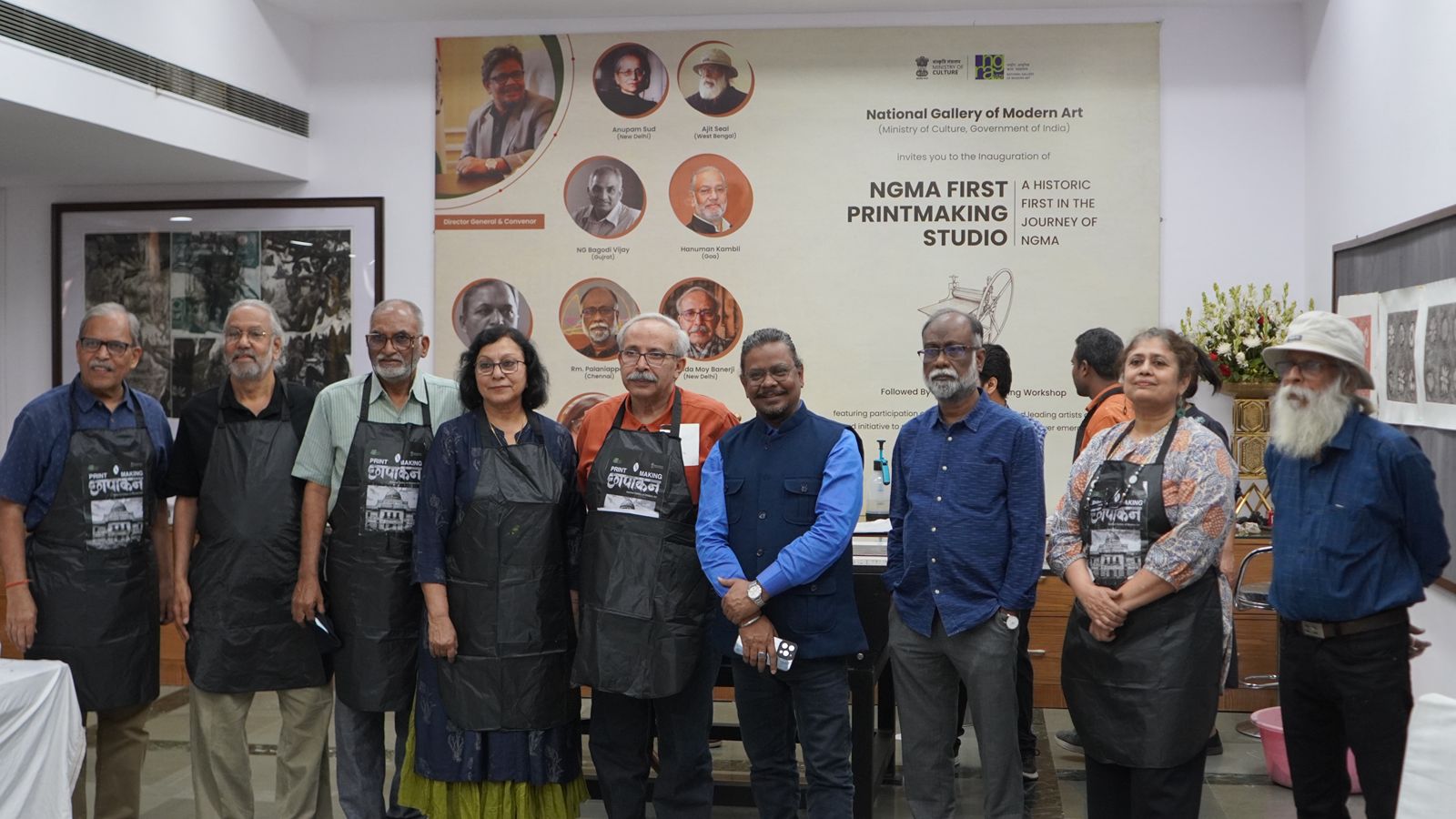
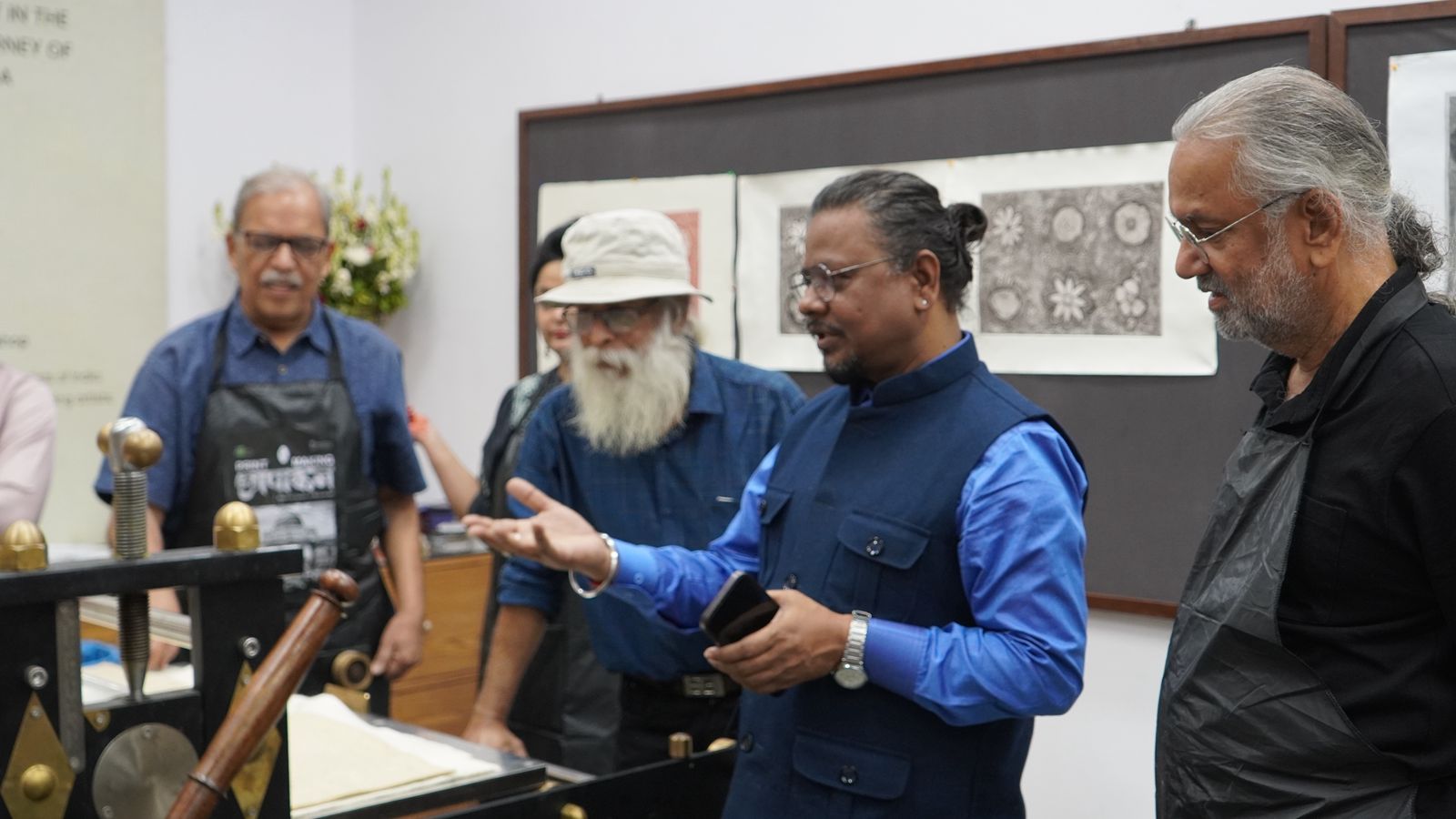
The National Gallery of Modern Art (NGMA), under the aegis of the Ministry of Culture, marks a historic milestone with the launch of its first-ever Printmaking Studio, ushering in a new chapter in its institutional journey. This landmark initiative is being celebrated through a 7-day intensive printmaking workshop titled ‘Chhapankan’, held from 30th March to 4th April a confluence of tradition, technique, and contemporary artistic dialogue.
‘Chhapankan’ — Imprinting India’s Artistic Future.
This pioneering initiative has been envisioned and led by the Director General of NGMA, Dr. Sanjeev Kishor Goutam, himself an accomplished printmaking artist. The establishment of this studio not only strengthens NGMA’s commitment to expanding artistic practices but also revives and repositions printmaking as a vital and evolving medium in India’s visual culture.
“Printmaking is not merely a technique – it is a philosophy of multiplicity, accessibility, and experimentation. With ‘Chhapankan’, we aim to reconnect contemporary practitioners with the rich lineage of print traditions while fostering innovation through shared learning. As a printmaker myself, this initiative is especially close to my heart.”* — Dr. Sanjeev Kishor Goutam, Director General, NGMA
A Historic Leap for NGMA
The launch of NGMA’s Printmaking Studio represents a first-of-its-kind institutional effort to create a dedicated, fully equipped space for print-based practices within a national museum framework. The studio features a custom-built, handmade printmaking press, specially designed and manufactured in India underscoring a commitment to indigenous craftsmanship and self-reliance in artistic infrastructure.
‘Chhapankan’: Reviving the Imprint of Tradition
The workshop, ‘Chhapankan’, held from 30th March to 4th April, brings together 10 eminent printmakers from across India, representing diverse regional practices and pedagogies:
* Anupam Sud (New Delhi)
* Ajit Seal (West Bengal)
* NG Bagodi Vijay (Gujarat)
* Hanuman Kambli (Goa)
* Dattatraya Apte (New Delhi)
* Rm. Palaniappan (Chennai)
* Ananda Moy Banerji (New Delhi)
* Kavita Nayar (Noida)
* Kavita Shah (Gujarat)
* Sushanta Guha (New Delhi)
Their participation transforms the workshop into a national dialogue of printmaking traditions, techniques, and contemporary interpretations.
The Legacy of Printmaking in India
Printmaking in India carries a rich and layered history, evolving from early woodblock printing traditions used in textiles and manuscripts to more formalized artistic practices introduced during the colonial period. Institutions like the Government College of Art & Craft in Kolkata and pioneers such as Somnath Hore and K.G. Subramanyan played a crucial role in shaping modern Indian printmaking.
Over time, printmaking emerged as a democratic art form, enabling artists to produce multiple originals and reach wider audiences. Techniques such as etching, lithography, woodcut, and serigraphy have been used not only for aesthetic exploration but also for socio-political commentary.
However, despite its significance, printmaking has often remained underrepresented in mainstream institutional spaces. NGMA’s initiative seeks to **bridge this gap, bringing the medium back into focus and fostering a new generation of practitioners.
A Vision Forward
With ‘Chhapankan’, NGMA is not just launching a workshop — it is reviving a movement. By combining infrastructure, mentorship, and national collaboration, this initiative sets the stage for sustained engagement with printmaking as both a traditional and contemporary practice.