
 One Nation, One License in focus to remove regulatory bottlenecks in agri inputs
- First-of-its-kind “Media Speaks” session, with senior journalists participating as speakers and sharing real industry feedback
- Focus on soil health, balanced nutrition and Integrated Nutrient Management to achieve India’s agriculture Vision 2047
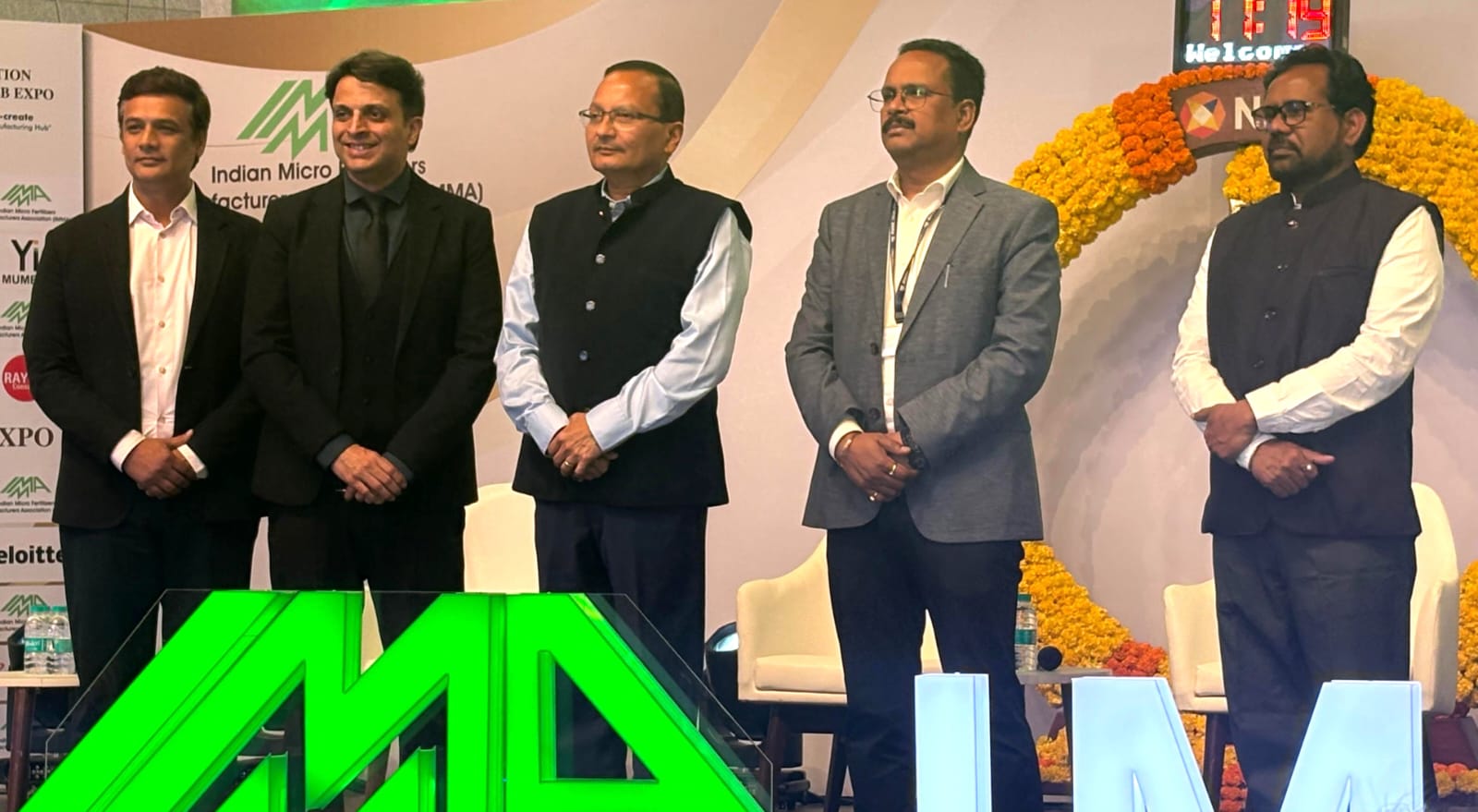
Mumbai 7 th February 2026 ( TGN ): The Indian Micro-Fertilizers Manufacturers Association (IMMA) successfully concluded its 6th National Crop Nutrition Summit & B2B Expo on February 5–6, 2026, at the National Stock Exchange (NSE), Bandra Kurla Complex (BKC), Mumbai, bringing together central and state policymakers, regulators, scientists, industry leaders, startups and agri-input innovators to deliberate on the future of India’s crop nutrition ecosystem.
Held under the theme “Converge, Collaborate & Co-create,” the two-day summit focused on policy reforms, innovation in crop nutrition, ease of doing business, and strengthening India’s position as a global agri-input manufacturing hub. The summit was inaugurated by Shri Jayakumar Jitendrasinh Rawal, Hon’ble Minister of Marketing & Protocol, Government of Maharashtra, with Dr. P. K. Singh, Agriculture Commissioner, Government of India, as Guest of Honour.
Senior officials from the Ministry of Agriculture & Farmers Welfare, ICAR, State Agriculture Departments, Commissioners of Agriculture from progressive states, and CEOs and founders of leading agri-input companies participated in high-level discussions and knowledge sessions.
Addressing the summit, Dr. P. K. Singh, Agriculture Commissioner, Government of India, said, “India’s agricultural strength lies at the micro level—in the soil, the plant and the farmer—and sustainable growth is not possible unless this foundation is strong. Balanced nutrition and scientific understanding, particularly through Integrated Nutrient Management, are essential to improve productivity, reduce the cost of cultivation, restore degraded land and maintain ecological balance. As we move towards the Vision 2047 goals of higher productivity and sustainable agriculture, the government remains committed to supporting the industry when challenges are presented with clear, practical solutions. Our objective is healthy soil, healthy plants, healthy farmers and healthy consumers.”
In his inaugural address, Shri Jayakumar Jitendrasinh Rawal, Hon’ble Minister of Marketing & Protocol, Government of Maharashtra, said, “The micro-fertilizer and nutrient industry has played a significant role over the last four decades in improving crop yield, quality and productivity, helping India emerge as one of the world’s leading food producers. To strengthen this further, farmers, the seed industry, fertilizer and micronutrient manufacturers, and post-harvest and processing sectors must work together as one integrated ecosystem. The Government of Maharashtra and the Government of India stand firmly with MSME-driven industries, and sustained focus on research, development and innovation will be critical to achieving global leadership by 2047.”
A key policy outcome of the summit was the industry’s renewed call for One Nation, One License using a centralized data stack of licensing information which can be accessed seamlessly by state governments for state marketing permissions. This will remove regulatory bottlenecks and improve ease of doing business for agri-input manufacturers. Discussions also highlighted the need for faster approval pathways for micronutrients, biologicals and specialty fertilizers, export-friendly regulations, and stronger action against counterfeit and sub-standard agri inputs.
For the first time, the IMMA summit featured a dedicated “Media Speaks” session, where senior journalists participated as speakers and shared direct feedback with industry stakeholders. Moderated by Dr. Rahul Mirchandani, the session emphasised the need for transparent communication, clearer articulation of industry challenges, stronger field-level engagement through farmer training and workshops, and consistent highlighting of credible success stories from the crop nutrition sector.
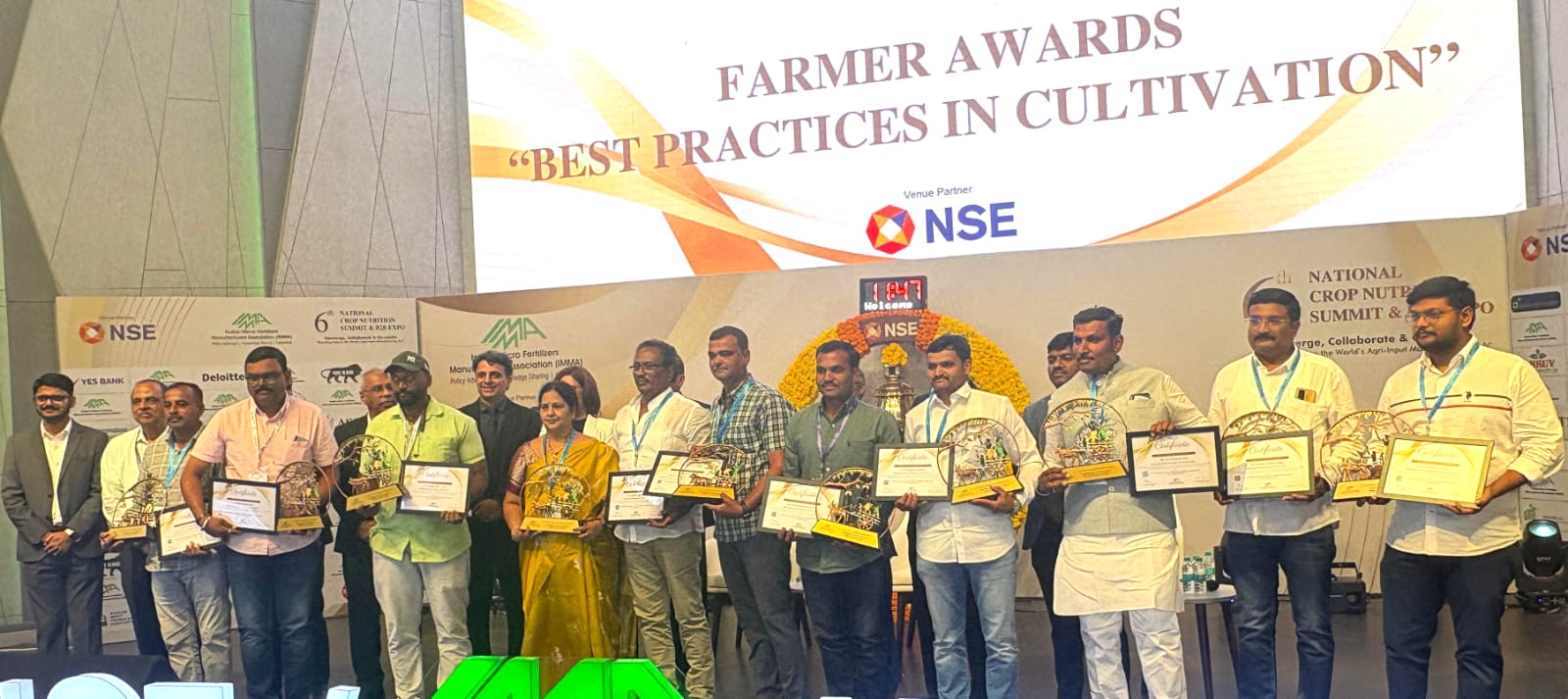
IMMA also recognised progressive farmers from across the country for crop-specific excellence and innovation, including Mr. Ajit Gangaram Gholap (Tomato), Mr. Nilesh Ramesh Ugale (Grapes), Mr. Parulbhai Ballubhai Patel (Banana), Mr. Ravindra Bapu Gunjal (Onion), Mr. Dattatray Raosaheb Lonare (Chilly), Mr. Atul Madhukar Dere (Sugarcane), Mr. Parikshit Bokey (Citrus), Mr. Ravi Gopalbhai Parmar (Pomegranate), Mr. H. N. Nandeesha (Ginger), and Ms. Jallepali Satya Kumari (Mango).
The summit also featured the IMMA Pitch Party, where 16 innovative crop nutrition and agri-input products were presented by emerging and established companies to facilitate market access and industry partnerships. The platform enabled innovators to showcase next-generation solutions directly to potential collaborators and channel partners.
Highlighting key outcomes of the summit, Dr. Rahul Mirchandani, President, Indian Micro-Fertilizers Manufacturers Association (IMMA), said, “One of the key outcomes of this summit is our proposal to work with the Government of India on a centralized licensing data stack, allowing states to access licensing information from a common server. This will reduce repetitive compliance while ensuring full regulatory adherence and act as a practical enabler of One Nation, One License. We have also signed an MoU with ICAR to conduct regular technical sessions for our members, marking a first-of-its-kind collaboration between an industry association and ICAR to accelerate innovation and faster commercialization in crop nutrition.”
The summit featured policy dialogues, industry–government roundtables, startup pitch sessions, structured B2B meetings and technical masterclasses, reinforcing IMMA’s role as a leading industry voice advocating policy reform, innovation and sustainable growth in India’s specialty crop nutrition sector.